Innovations in Counseling

Exercise and Mental Health:
Translating the Evidence into Clinical Practice
This webinar explores the growing body of research demonstrating the powerful relationship between physical activity, mental health, and performance across clinical, occupational, and athletic settings. Participants will examine the neurobiological, psychological, and behavioral mechanisms through which exercise influences mood, stress regulation, sleep, and cognitive functioning. Emphasis will be placed on translating evidence into practice, including how mental health professionals can ethically and confidently integrate exercise-informed interventions within their scope of practice. Practical applications, case examples, and implementation considerations will be discussed for clinicians working with depression, anxiety, and performance-related concerns.
After this presentation, participants will be able to:
- summarize the current evidence supporting the use of exercise as an intervention for common mental health conditions, including depression, anxiety, and stress-related disorders.
- describe the physiological and psychological mechanisms through which exercise influences mental health and emotional well-being.
- apply evidence-based strategies for assessing, recommending, and integrating physical activity into routine mental health treatment planning across clinical settings.
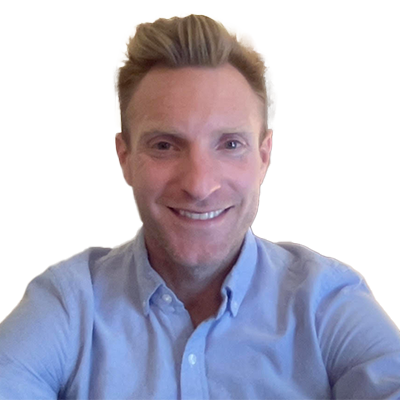
Joshua R. Lee, PhD, NCC, CCMHC, ACS, LCMHC, CCCE
Dr. Joshua R. Lee is a Licensed Professional Counselor and owner of JR LEE Psychotherapy & Consultation, Ltd., where he provides psychotherapy, consultation, and clinical supervision. He has extensive experience across private practice, emergency mental health, corrections, EAP services, and healthcare leadership. His scholarly and clinical interests include depression, trauma, sleep, athlete mental health, and integrating exercise into mental health treatment.
Breaking the Cycle:
Leveraging Counselor Identify to Support Military Veterans
Military veterans often face complex challenges as they transition to their civilian life and after service has ended. This webinar will explore the impact and severity of mental health concerns among veterans, and how Counselors can provide support. Participants will gain a deeper understanding of the factors that contribute to these challenges, the barriers that veterans encounter, and evidence-based tools that can be applied across multiple settings.
In 2020, the age- and sex-adjusted suicide rate among veterans was 57.3% higher than among non-veteran U.S. adults. Post-traumatic stress disorder and inadequate Department of Veterans Affairs assistance have been identified as risk factors for suicide. National survey data indicate that approximately one quarter of veterans screen positive for a probable mental health or substance use disorder and fewer than one-third of those report current mental health care utilization. Treatment gaps are especially concerning among high-risk groups, including veterans endorsing suicidal ideation, of whom only a minority engage in current mental health treatment.
Given the complex mental health concerns of this population, a new paradigm is needed to support military veterans. Consideration is warranted regarding how veterans receive mental health support and the benefits that Counselors offer, with a focus on prevention and wellness. Distinct elements of the professional identity of Counselors, such as a focus on prevention, functionality, and wellness, offer a useful paradigm for addressing the mental health of veterans. Incorporating characteristics of military culture into these elements is essential to an informed approach to counseling this population. Evidence suggests the benefits of the Common Factors Framework in Counseling, especially client expectancy and the therapeutic alliance. Leveraging these elements of Counseling to create an innovative paradigm for supporting this population is warranted.
After this presentation, participants will be able to:
- recognize the unique culture of the military and its connection to the provision of mental health Counseling.
- determine the prevalence of mental health concerns within this population.
- identify wellness Counseling and common factors in Counseling and their application to providing mental health support for veterans.
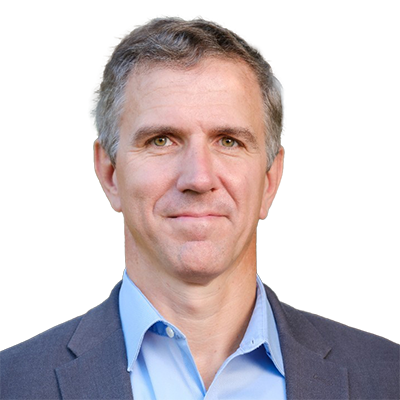
Seth Hayden, PhD, NCC, CCMHC, ACS, LCMHC, CCCE
Dr. Seth C. W. Hayden is an Associate Professor of Counseling and Coordinator of the Clinical Mental Health Program at Wake Forest University. Dr. Hayden’s research focuses on the connection between career development and mental health. In addition, he examines the career and personal development needs of military service members, veterans, and their families. Dr. Hayden is a Licensed Clinical Mental Health Counselor in North Carolina. In addition, Dr. Hayden is a past president of the Military and Government Counseling Association and National Career Development Association, both divisions of the American Counseling Association. He is co-author of Group Career Counseling: Practices and Principles (2nd. ed.) and Career Development for Transitioning Veterans and co-editor of Cognitive Information Processing: Career Theory, Research, and Practice. He is also the author of Integrating Career Development and Mental Health Counseling, published by the American Counseling Association.
Community-Engaged Leadership in Counseling
Professional Counseling associations, training programs, and leaders have increased their attention to leadership across the Counseling profession. Community-engaged leadership offers an opportunity to bridge the gap with community members, especially in the context of larger movements and efforts to improve access to Counseling services. The CACREP 2024 Standards emphasize leadership and advocacy as cornerstones of Counseling programs, and it behooves Counselor Education programs and professional associations to promote pathways for leadership.
Drawing from conceptual and empirical research related to leadership, the presenter will discuss how Professional Counselors can harness their unique assets and expertise to navigate leadership barriers and opportunities in their work settings and professional associations. Additionally, the presenter will discuss factors that drive relationships, resources, and forms of evaluation, and how Counseling organizations, institutions, and professional associations can become more power-conscious.
After this presentation, participants will be able to:
- describe examples of practice-based and empirical scholarship related to community engagement and leadership development.
- critique existing models of leadership and advocacy impacting leadership development.
- develop tools for integrating unique strengths, assets, and expertise across Counseling professional associations and work settings.
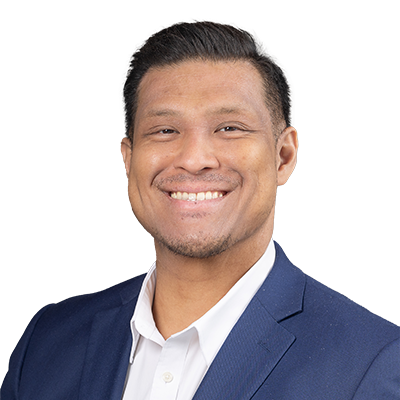
Christian D. Chan, PhD, NCC
Christian D. Chan, PhD, NCC, is an Assistant Professor in the Department of Counseling and Educational Development at the University of North Carolina at Greensboro. He received his PhD in Counseling and Master of Arts in Clinical Mental Health Counseling from The George Washington University. He received a Bachelor of Arts in psychology and computer applications with a minor in theology from the University of Notre Dame. Dedicated to mentorship for leaders and scholars, he has contributed to more than 90 peer-reviewed publications in journals, books, and edited volumes and has conducted more than 150 refereed presentations at the national, regional, and state levels. Dr. Chan currently serves as Editor for the journal Teaching and Supervision in Counseling.
Understanding and Responding to Human Trafficking:
Typologies and Advocacy Strategies to Support Survivors
Human trafficking remains a critical public health and human rights issue affecting individuals and communities across the United States. Counselors are uniquely positioned to identify, assess, and support survivors, yet many lack formal training in recognizing exploitation and navigating the complex clinical, legal, and ethical frameworks involved. This webinar provides Counselors with foundational knowledge of human trafficking, including sex and labor trafficking, and equips participants with practical counseling strategies for assessment and intervention. Participants will also review mandated reporting responsibilities, relevant U.S. laws, and advocacy considerations to strengthen ethical practice and enhance care.
After this presentation, participants will be able to:
- differentiate human trafficking, sex trafficking, and labor trafficking and identify key behavioral, emotional, and physical indicators of exploitation.
- apply counseling assessment and treatment strategies when working with survivors of human trafficking.
- understand the 25 human trafficking typologies as well as mandated reporting responsibilities, ethical considerations, and advocacy implications for Counselors serving survivors of human trafficking.
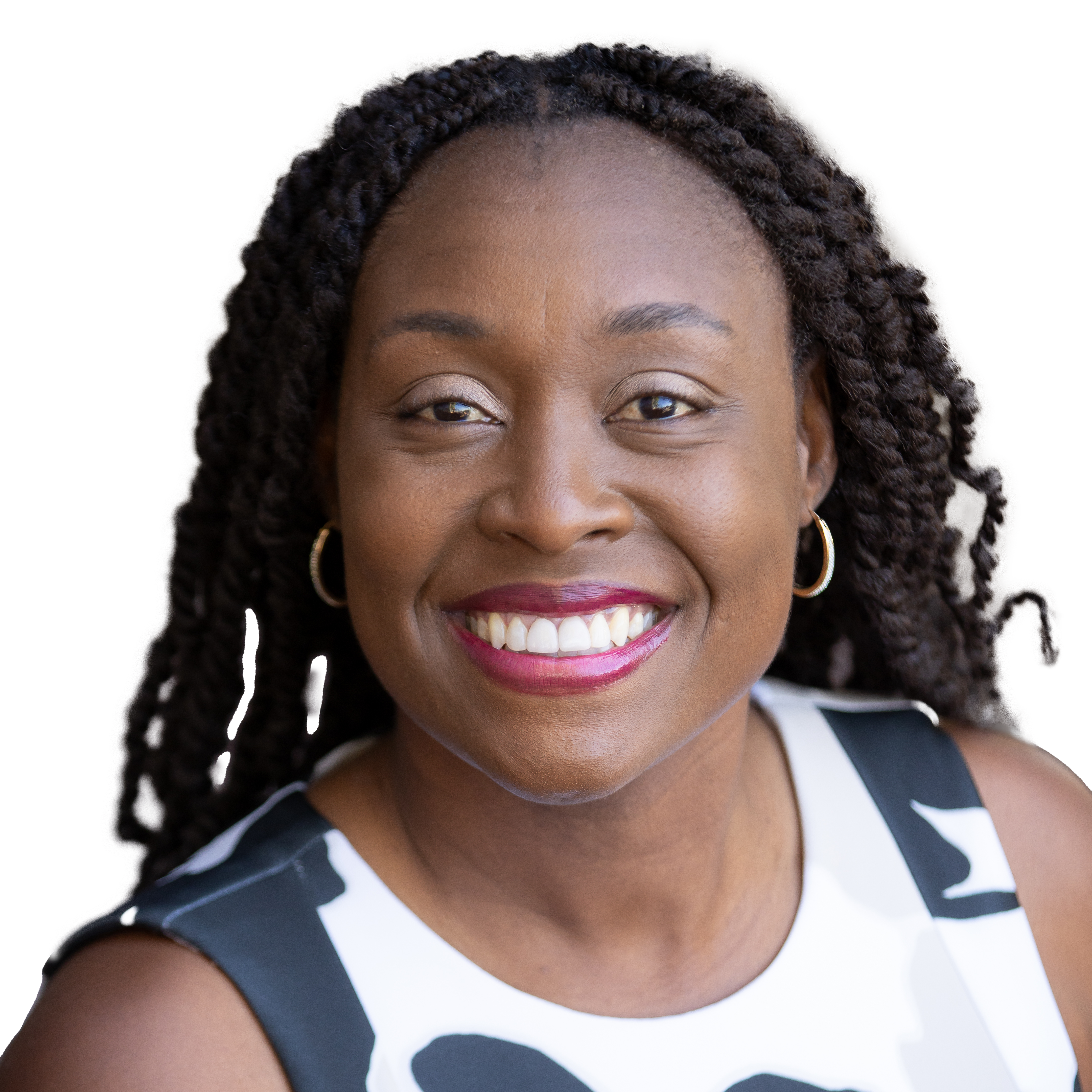
Letitia Browne James, PhD, NCC, BC-TMH, LMHC-S
Letitia Browne-James, widely known as Dr. LBJ, is a National Certified Counselor, Licensed Mental Health Counselor, and Qualified Clinical Supervisor with more than 20 years of clinical and administrative experience. She is the founder of Dr. LBJ, Inc., the parent company of her group practice, Victorious Living Counseling & Consulting, and the founder and President of LBJ Behavioral Services, a nonprofit dedicated to expanding access to mental health care for uninsured and underinsured individuals.
Dr. Browne-James serves as an Associate Professor and Marriage, Couples, and Family Counseling Program Coordinator at Adler Graduate School. She is a member of the Florida Counseling Association’s Public Policy and Bylaws Committees and serves on the Board of Directors for Boys Town of Central Florida. An accomplished author, researcher, and national speaker, her work focuses on Counseling, clinical supervision, advocacy, ethical practice, human trafficking, and the intersections of mental and physical health.
Dr. Browne-James is widely respected for her leadership, scholarship, and commitment. She is a Past President of the Florida Counseling Association, the Florida Association for Multicultural Counseling and Development, and Walden University’s Omega Zeta Chapter of Chi Sigma Iota Counseling Academic and Professional Honor Society International. She also served as an Advisory Council member of the NBCC Foundation Fellowship Program (Mental Health Counseling), Chair of the Association for Counselor Education and Supervision Social Justice and Human Rights Committee, and Bylaws Committee Chair and Treasurer for the Association for Multicultural Counseling and Development. She is the recipient of numerous professional awards.
From Insight to Impact:
Data-Driven School Counseling Interventions
From Insight to Impact: Data-Driven School Counseling Interventions explores how School Counselors and Counselor Educators can establish mutually beneficial partnerships to effectively integrate data-informed decision-making to better serve the student population and increase sense of belonging on campus. This session highlights the critical role of data in identifying student needs, promoting student success, and guiding targeted interventions.
Participants will gain practical strategies for establishing relationships with neighboring universities and utilizing data to inform School Counseling practices. The webinar will also examine how Counselor Education programs can prepare future School Counselors to confidently apply data in ways that are ethical, impactful, and responsive to the communities they serve. The presentation will also explore approaches for disseminating data-informed work through peer-reviewed publication.
Attendees will leave with actionable tools and frameworks to strengthen training practices, enhance service delivery, and move from insight to meaningful, measurable impact in school settings.
After this presentation, participants will be able to:
- apply data-driven strategies to identify student needs and inform School Counseling interventions.
- analyze school-based data and guide decision-making that promotes student success.
- develop training approaches that integrate data literacy and strategies to strengthen collaboration between School Counselor preparation programs and local districts.
Vanessa Placeres, PhD, NCC, LPC, RPT
Vanessa holds a PhD in counselor education from Georgia State University, along with master’s degrees in counseling, marriage and family therapy, and school counseling from California State University, Fresno, and Georgia State University. She is a Licensed Professional Counselor, School Counselor, and Registered Play Therapist in the state of Georgia. Her clinical work centers on supporting children and adolescents, with experience across community agencies, inpatient rehabilitation settings, and high school counseling.

Caroline Lopez-Perry, PhD, PPS
Dr. Caroline Lopez-Perry is an Associate Professor in the school counseling program at California State University, Long Beach, and the coordinator for school counseling fieldwork experiences. Prior to her work in Counselor Education, she was a School Counselor in the elementary and middle school settings. Her research and publications focus on School Counselor leadership. Other areas of focus include Group Counseling, School Counseling classroom instruction, career and college readiness, and the recruitment and retention of School Counselors. She was a key contributor to the development of the recently updated CCTC Pupil Personnel Services School Counselor Program Standards and Performance Expectations and co-authored Best Practice: Guidelines for California School Counselors.
Well Workplaces Require Well Leaders for a Well Future:
Understanding, Addressing, and Navigating Counselor Burnout Beyond “Self-Care”
The American Counseling Association workforce report has identified burnout as a primary concern for Counselors, with many believing that burnout and feelings of being overworked will continue to significantly impact the Counseling profession over the next 3 to 5 years. Despite attempts to navigate the issues through ethical guidelines and continued research, the problem persists. Seemingly, literature tends to focus either on personal or systemic responsibility, but rarely both simultaneously. This presentation will discuss burnout from a combined lens, allowing Counselors to hold themselves and others accountable, and to ultimately combat burnout together. The presenter will provide a real-talk, “no fluff” space for Counseling professionals who desire more than performative self-care and are ready for wellness that sticks. Together, the participants and presenter will name the burnout, unpack the barriers, and build strategies that support purpose without sacrificing peace.
After this presentation, participants will be able to:
- understand the personal responsibility of burnout on three levels: survival, success, and significance.
- address the systemic responsibility of burnout based on primary wellness needs.
- identify and implement three to five wellness tools and strategies for a well workplace and well-organized leadership
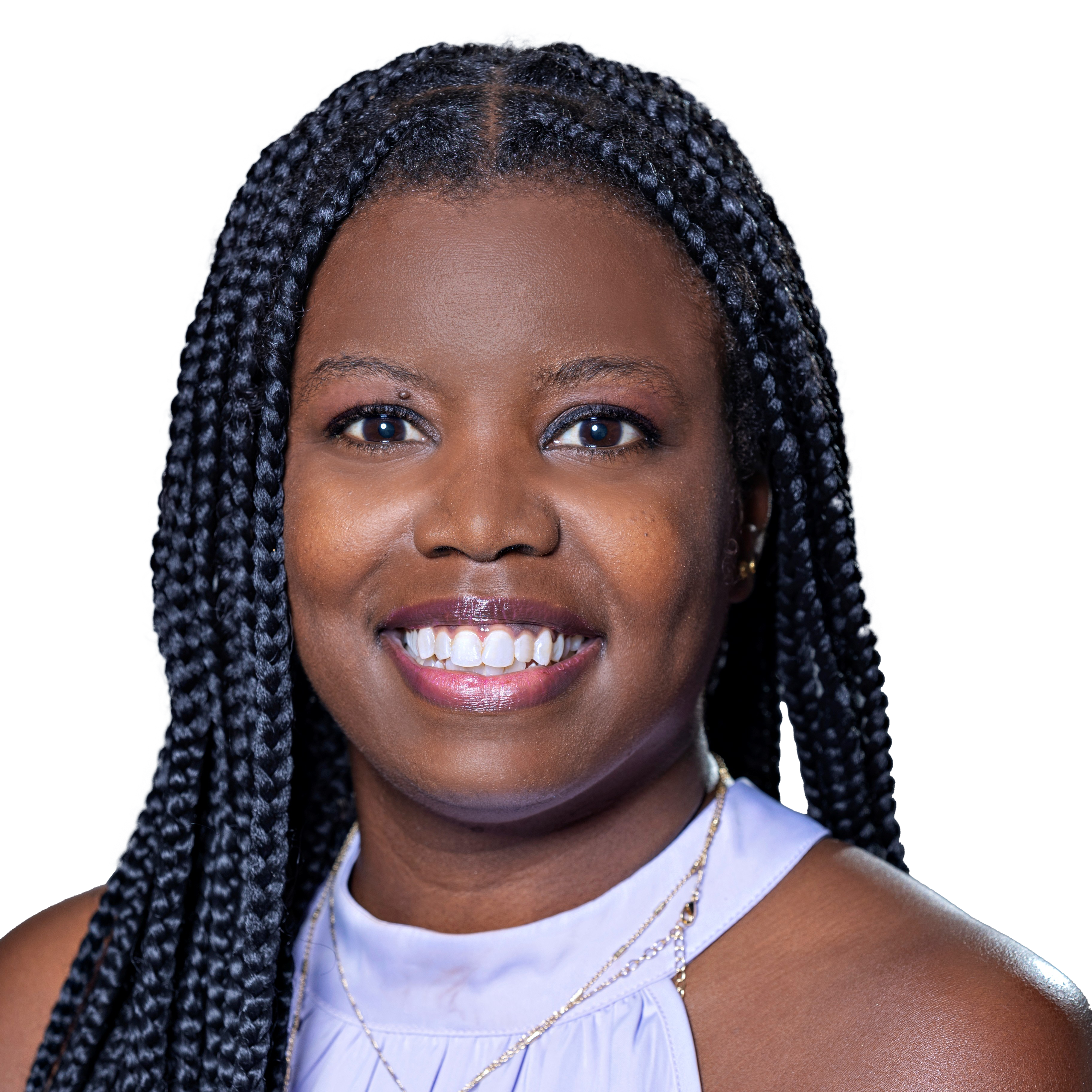
PaQuita R. Pullen, PhD, NCC, LPC-MHSP serves as the Founder & CEO of Ubuntu Counseling & Wellness in Nashville, Tennessee. She is also a board approved clinical supervisor and mentor. Dr. Pullen received her master’s in clinical mental health counseling at Trevecca Nazarene University as well as her PhD in counselor education and supervision. She is a member of Chi Sigma Iota (CSI) and the Tennessee Licensed Professional Counselors Association (TLPCA).
From Bridging the Gap to Taking a Gap Year:
Self-Care for Students, Counselors, Counselor Educators, and Supervisors
Supporting clients, students, supervisees, and professional peers is profoundly meaningful work, but it can also be emotionally depleting, often leaving little capacity for sustained self-care. Without intentional strategies to replenish and protect personal well-being, helping professionals are at increased risk for stress, compassion fatigue, burnout, strained relationships, physical illness, and a range of mental health challenges.
This webinar is designed to equip Counselors, Counselor Educators, Supervisors, and graduate students with practical tools to assess and address their self-care needs with clarity and purpose. Drawing from deeply personal experiences during her transformative “Grown-Up Gap Year,” Janelle L. Jones, PhD, NCC, LPC, will offer powerful insights into recognizing and recovering from burnout. Through a blend of storytelling, reflection, and applied strategies, participants will explore how to realign their wellness practices with both their current realities and their vision for a healthier, more sustainable professional future. This session is not only informative; it is essential for those committed to longevity, balance, and ethical excellence in the Counseling profession.
After this presentation, participants will be able to:
- interrogate burnout through an ethical, value-based, and interpersonal lens to determine its impact on professional well-being.
- assess the negative consequences of unaddressed gaps in their current self-care practices, with attention to physical, mental health, and professional outcomes.
- develop a personalized, actionable self-care plan that centers their personhood and supports sustainable engagement in clinical practice, teaching, supervision, and scholarship.
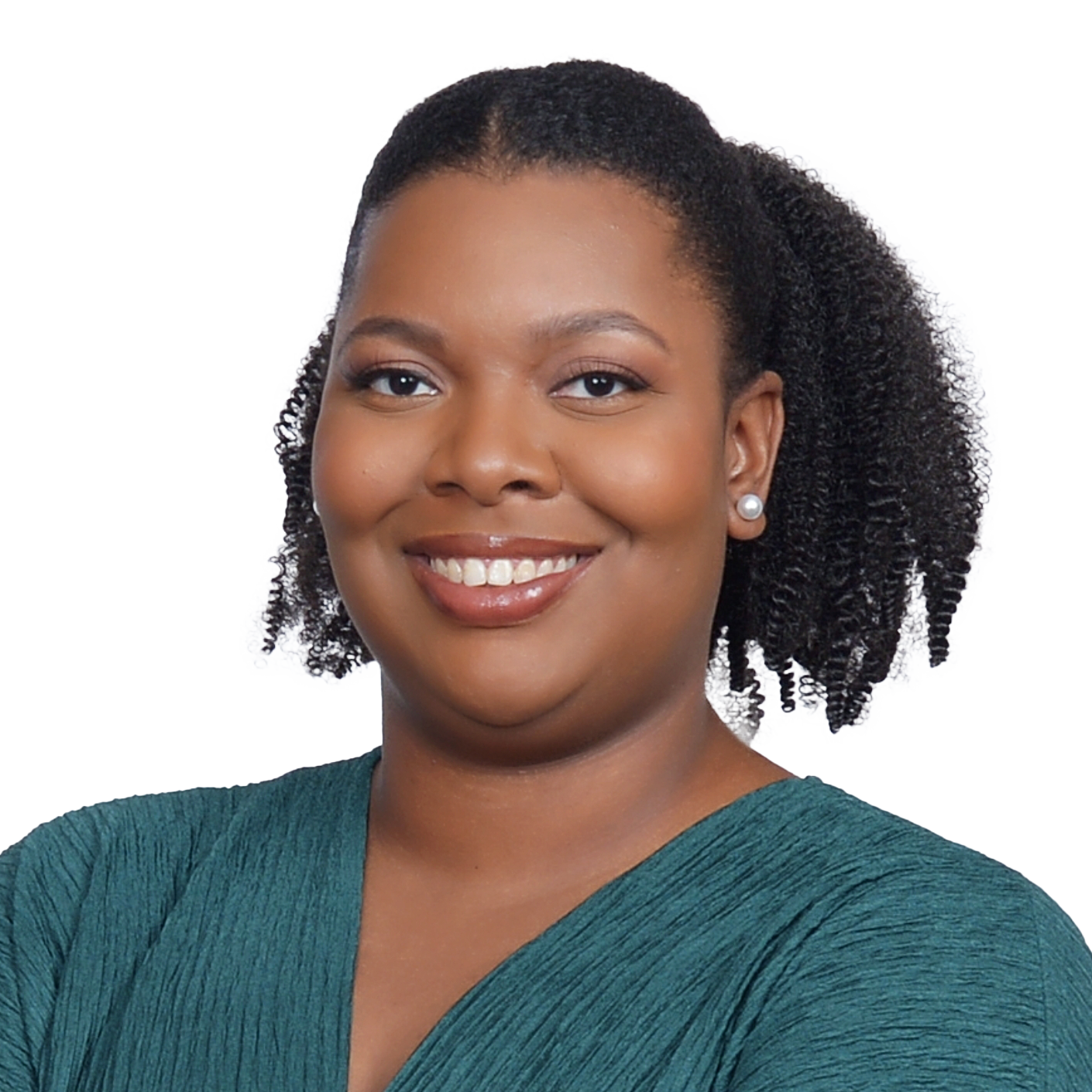
Janelle L. Jones, PhD, NCC, LPC, serves as an Assistant Professor in the Mental Health Counseling Program at Agnes Scott College. She also works as a Gerontological Counselor and an LPC in Georgia. Dr. Jones received her master’s in clinical mental health counseling at Georgia State University and obtained her doctorate in counselor education from the University of Alabama. She is a member of Chi Sigma Iota (CSI), American Counseling Association (ACA), Counselors for Social Justice (CSJ), and Association for Counselor Education and Supervision (ACES). She is the Past-President of the Association for Adult Development and Aging (AADA). Dr. Jones is both an NBCCF Master’s and Doctoral Fellow.
The Family at Play:
A Play Therapy Approach to Strengthening Family Connections
Every family has a unique capacity for connection, communication, and joy. This webinar explores the transformative power of play as a universal language that unlocks potential. We will move beyond traditional talk therapies to present practical, evidence-based play therapy techniques designed to enhance family dynamics and build resilience. Participants will be guided through a progressive framework, starting with core principles of child-centered play therapy, advancing to the empowering model of filial therapy (where parents become the agents of healing), and culminating in structured activities for the entire family. A special focus will be placed on incorporating expressive arts to help families “author” their own narrative of connection, exemplified by a collaborative “family poem” activity. This session is ideal for Therapists, Counselors, and Social Workers looking for creative, non-pathologizing approaches to support families in building stronger, more empathetic, and joyful relationships. Leave with a toolkit of strategies and a novel framework for documenting positive change.
After this presentation, participants will be able to:
- compare three key play therapy modalities (child-centered, Gestalt, filial, and family-based) and identify appropriate applications for enhancing family communication and connection.
- implement the core PRIDE skills (Praise, Reflection, Imitation, Description, Enthusiasm) used in filial therapy to coach parents in fostering a deeper, more secure emotional bond with their child(ren).
- utilize an expressive arts-based narrative technique, such as a co-created “family poem” or narrative scrapbook, to help families externalize and document their strengths and evolving story.

Jasmaine Ataga, PhD, NCC, ACS, LPC, RPT-S, is an Assistant Clinical Professor in the Online Clinical Mental Health Counseling Program at Seattle University. She is a Licensed Professional Counselor (LPC) in Georgia, a Registered Play Therapist-Supervisor™ (RPT-S), an Approved Clinical Supervisor (ACS), and a National Certified Counselor (NCC). Dr. Ataga is also a 2016 NBCC MFP-Y Master’s Fellow and a 2021 NBCC MFP Doctoral Fellow. She has over eight years of counseling experience and 10 years in crisis and trauma care. Her clinical specialty focuses on working with children and adolescents who have experienced sexual trauma and utilizing expressive arts to promote meaning-making. In addition to her faculty role, Dr. Ataga is the founder of Zen360, LLC. This holistic organization creates and facilitates expressive trainings and international outreach trips for professionals, graduate students, and educators passionate about mental health. Her primary goal as an educator and Counselor is to help mental health professionals learn expressive healing, deepen their self-awareness, and implement routines centered on self-care and peace. Dr. Ataga is guided by a holistic approach to mental health, advocacy for survivors of trauma, and a steadfast commitment to fostering peace.
NBCC Foundation has been approved by NBCC as an Approved Continuing Education Provider, ACEP No. 805. Programs that do not qualify for NBCC credit are clearly identified. NBCC Foundation is solely responsible for all aspects of the programs.
Each state sets its own requirements for licensure, including continuing education requirements to maintain licensure. Questions about CE requirements for state licensure should be directed to your state board. You can find their contact information on our state board directory.