Building Professional Excellence

Ethical Responsibilities of CCE Credential Holders
& CCE Training Award Opportunities With the NBCC Foundation
This presentation will examine the ethical responsibilities and challenges that CCE credential holders may encounter in their professional roles. Participants will gain information about the credentials offered by the Center for Credentialing & Education (CCE) and the legal and ethical codes associated with these credentials. The session will also highlight practical ways to use these codes as an everyday resource for ethical decision-making and professional practice.
In addition, CCE and the NBCC Foundation will provide information about CCE credentials, available training award opportunities, and steps to apply for these annual scholarships. Attendees will learn about the different types of awards offered, ethical considerations, and the key steps for submitting a successful application.
After this presentation, participants will be able to:
- describe the credentials offered by CCE (BCC, BC-TMH, ACS, GCDF).
- recognize common ethical issues encountered by CCE credential holders.
- explain how ethical principles apply within the scope of each credential.
- identify the steps to apply for CCE Training Awards and how they support ethical practice and professional development.
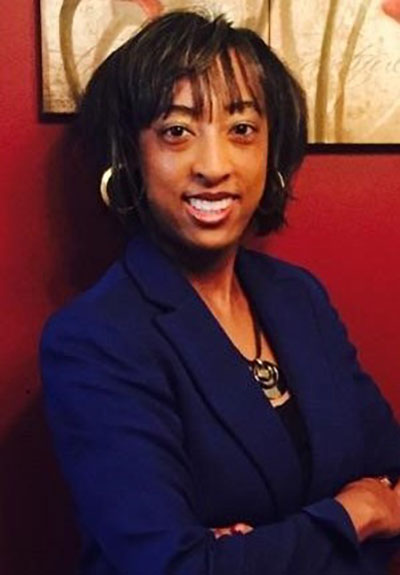
Renée Evans, PhD, NCC, LCMHC
Dr. Renée Evans is a National Certified Counselor, Licensed Clinical Mental Health Counselor, Licensed School Counselor, and Diversity and Inclusion Specialist with extensive leadership experience across Clinical Counseling, higher education, employee assistance programs, career development, and organizational consulting. She previously served as Associate Director/Director of Clinical Services and Interim Director at Duke University, where she oversaw clinical operations and a multidisciplinary team of approximately 30 behavioral health professionals.
Dr. Evans has also served as a Counselor Educator, preparing future professionals in Clinical and School Counseling and human services. As a consultant, she has partnered with organizations to address workplace challenges, provide assessments and referrals, facilitate training initiatives, and support critical incident response efforts.
A nationally recognized trainer and speaker, Dr. Evans has contributed to the advancement of professional School Counseling and employee assistance programs through publications, training development, and organizational leadership. She has held numerous leadership roles within the Employee Assistance Professionals Association, the North Carolina Employee Assistance Professional Association, the North Carolina School Counselor Association, and the American School Counselor Association. Her contributions to the profession have been recognized through multiple honors, including the John Burke Presidential Achievement Award, the highest distinction in employee assistance in North Carolina. From 2020–2026, Dr. Evans further expanded her outreach through her radio show, You’re on With D. r., focused on empowerment, professional insight, and lived experiences.
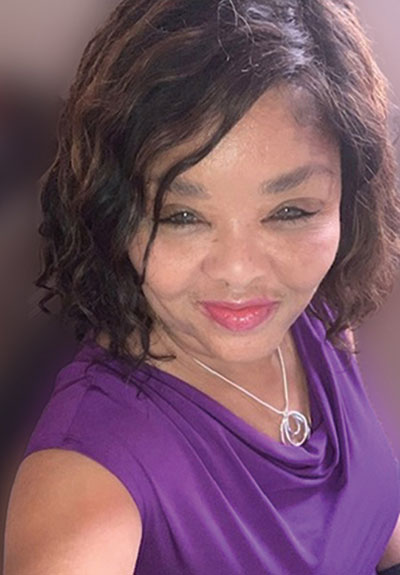
Winifert Lawson-Graves, EdD
Dr. Winifert Lawson-Graves provides business development and marketing services for NBCC and Affiliates. CCE’s Business Development Department is responsible for the acquisition of new business, its training provider relations, partner relations, and the learning management system, CCE Academy. Before joining the organization, she served as Vice President of Marketing and Development for an international nonprofit in Rincon, Puerto Rico; Director of Marketing for a national nonprofit in Rhode Island; and Public Relations Manager for the Center for Creative Leadership in Greensboro, North Carolina. Dr. Lawson-Graves received a bachelor’s degree in journalism from Norfolk State University, a master’s degree in communication studies from the University of North Carolina at Greensboro, and a doctorate in educational leadership and change from Fielding Graduate University.
Burnout, Boundaries, and BIG Changes:
Finding Balance in Counseling and Coaching Practice
Over the course of a Counselor’s career, there are many changes that take place. Roles change, abilities grow, new skills are needed, interests expand, and we become wiser. After nearly 25 years as a National Certified Counselor (NCC), the presenter pursued training as a coach and obtained the Board Certified Coach (BCC) credential. In the first part of this webinar, participants will learn how to gain coaching skills and navigate both worlds in practice. Additionally, participants will learn about the benefits of coaching and Counseling in practice. Participants will also learn how to recognize burnout in their work and about research-based interventions for reducing the negative impact of burnout. Finally, participants will learn a framework that helps prevent burnout in a world that is highly demanding for many people.
After this presentation, participants will be able to:
- define burnout and describe the three indications of burnout.
- differentiate between stress and stressors and recognize how chronic stress and burnout are related.
- identify the role of clear boundaries in coaching and Counseling practice, to decrease negative emotions.

Jill Nelson, PhD, NCC, BCC
Dr. Jill Nelson is a speaker, leader, and Professor of Counseling at North Dakota State University. She is a Board Certified Coach (BCC), consultant, and researcher with expertise in well-being practices, shame and shame resilience, and leadership development. With over 25 years of experience in mental health, personal growth, and professional development, she helps people live a life that is more authentic, aligned, and joyful. Dr. Jill’s passion is to inspire people to be brave and to flourish in their personal and professional lives. She enjoys reading fiction, traveling, and spending time with wholehearted people. She is extremely grateful to spend her days inspiring others to be courageous and authentic in all they do.
Click, Connect, Care:
Leveraging the BC-TMH to Engage Clients in Telehealth
Click, Connect, Care: Leveraging the BC-TMH to Engage Clients in Telehealth is a dynamic 1-hour webinar designed for mental health professionals who want to strengthen their telehealth practice through enhanced competence, ethical clarity, and client engagement. This training explores how the Board Certified-TeleMental Health (BC-TMH) credential equips clinicians with essential skills for delivering safe, effective, and high-quality virtual care. Participants will learn actionable engagement strategies that elevate therapeutic presence on screen, improve rapport-building, and enhance session flow using secure virtual tools.
Real case examples bring the concepts to life, illustrating how BC-TMH training supports clinicians in navigating challenging telehealth situations and adapting interventions appropriately. Attendees will leave with a clear understanding of how the BC-TMH credential enhances clinical confidence, reduces risk, and strengthens their ability to connect and care for clients through telehealth.
After this presentation, participants will be able to:
- describe the purpose and professional value of the BC-TMH credential and how it supports competent telehealth practice.
- demonstrate practical strategies for engaging clients effectively using telehealth tools such as screen sharing, virtual whiteboards, and structured session flow while using technological, clinical, and ethical skills.
- evaluate client scenarios to determine appropriate adaptations for safe, ethical, and clinically effective virtual care.
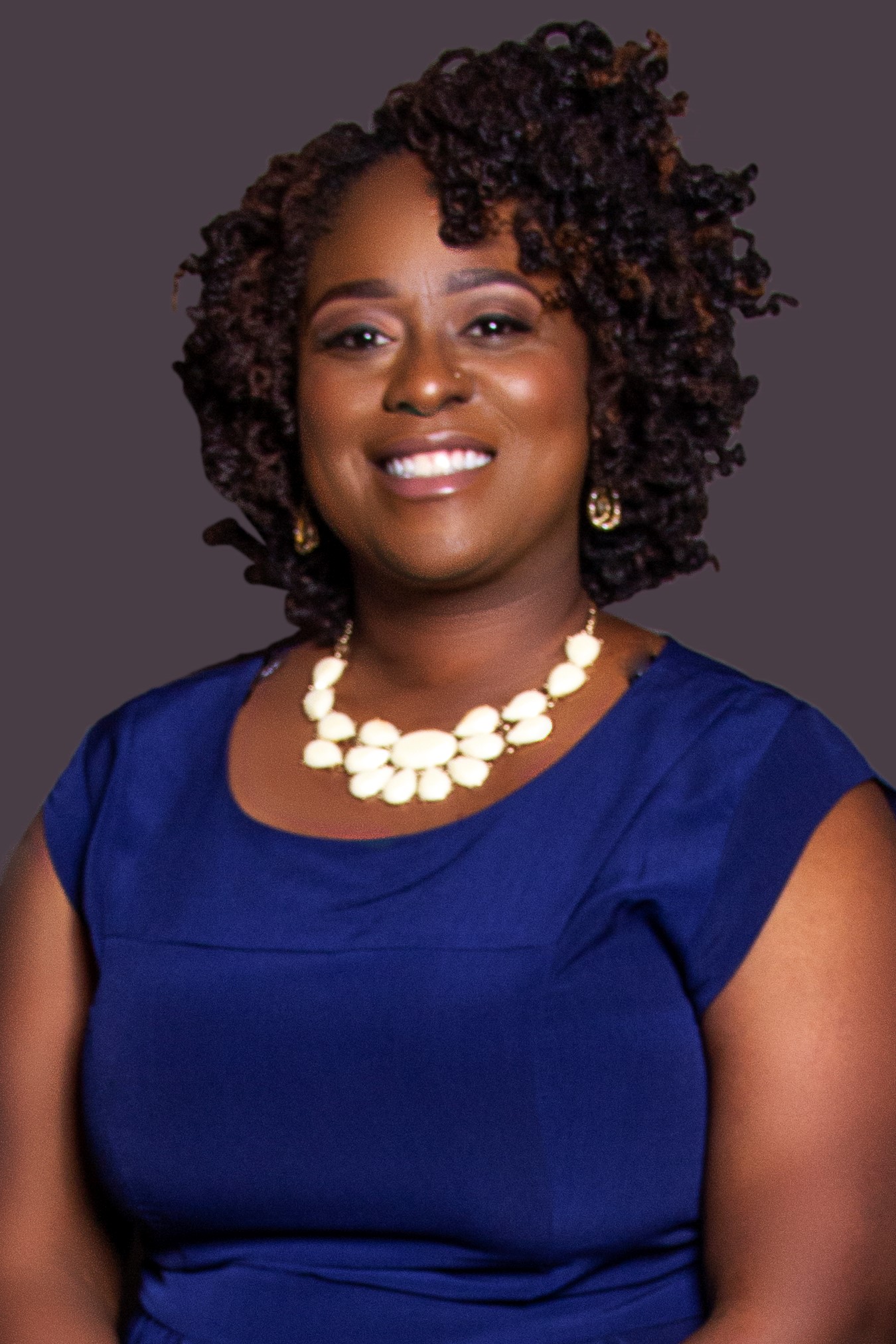
Kristy Christopher-Holloway, EdD, NCC, BC-TMH, ACS, LPC, LCMHC, CPCS, PMH-C, is a Counselor Educator as well as the Founder and Director of New Vision Counseling Center, LLC, and of New Vision Consulting and Training, LLC, both located in Georgia, USA. She is a Licensed Professional Counselor (GA), a Licensed Clinical Mental Health Counselor (UT), a National Certified Counselor, a Board Certified-TeleMental Health Provider, a Counselor Supervisor, and is certified in Perinatal Mental Health.
Dr. Christopher-Holloway is the immediate past Co-Chair for the American Counseling Association of Georgia, the past 2023–2025 Association for Multicultural Counseling and Development Southern Region Representative, and the 2025–2026 President-Elect for Association for Multicultural Counseling and Development. Additionally, she is a faculty trainer, curriculum manager, and subject matter expert for Postpartum Support International.
Dr. Christopher-Holloway works with women experiencing infertility trauma, birth trauma, reproductive loss, and issues related to perinatal mental health. She is an international speaker with a focus on topics such as the psycho-emotional impact of infertility in African American women, perinatal mood disorders, the strong Black woman syndrome and generational trauma, and cultural competence/humility. She has received numerous honors, including the Breakthrough Award for Outstanding Research from the National Board for Certified Counselors, in recognition of her work related to mental health and infertility.
Beyond the Credential:
Ethical Identity and Professional Responsibility in the ACS Role
The Approved Clinical Supervisor (ACS) credential represents more than advanced clinical experience; it reflects a commitment to ethical leadership, professional responsibility, and intentional supervision. This webinar invites current and aspiring ACSs to explore supervision as a distinct professional identity rather than an extension of clinical practice alone.
Grounded in ethical standards, supervisory responsibility, and reflective practice, this session examines the real-world ethical challenges supervisors commonly navigate, including boundaries, documentation, evaluation, liability, and gatekeeping. Participants will engage with practical case examples and decision-making frameworks that highlight how ethical supervision is enacted in everyday practice.
Designed to support both current ACS credential holders and clinicians considering the credential, this webinar emphasizes ethical clarity, supervisory presence, and professional accountability as central components of excellence in supervision.
After this presentation, participants will be able to:
- articulate the ACS role as a professional identity by identifying at least three core responsibilities (e.g., ethical leadership, power awareness, professional accountability) that distinguish supervision from clinical practice.
- identify and evaluate common ethical challenges in supervision by applying one ethical decision-making strategy to a supervision-based case example in accordance with ethical codes and professional standards.
- apply practical supervisory language and frameworks to at least one ethical gray area in supervision to support supervisee development, protect client welfare, and uphold professional integrity.

Lotes Nelson, PhD, NCC, ACS, LCMHC-S, is an Associate Professor of Counseling and an experienced Counselor Educator and Supervisor. Her professional work centers on counselor identity development, social justice counseling, leadership and advocacy, and the integration of ethical, humanistic, and practices in counselor training and supervision.
Dr. Nelson holds a doctoral degree in counselor education and supervision and a master’s degree in counseling. She is actively engaged in national professional leadership and service, contributing to conference leadership, editorial initiatives, and organizational governance. Her scholarly and teaching interests emphasize counselor development across the professional lifespan, supervision and mentorship, and advocacy as a core counseling competency.
NBCC Foundation has been approved by NBCC as an Approved Continuing Education Provider, ACEP No. 805. Programs that do not qualify for NBCC credit are clearly identified. NBCC Foundation is solely responsible for all aspects of the programs.
Each state sets its own requirements for licensure, including continuing education requirements to maintain licensure. Questions about CE requirements for state licensure should be directed to your state board. You can find their contact information on our state board directory.